Size
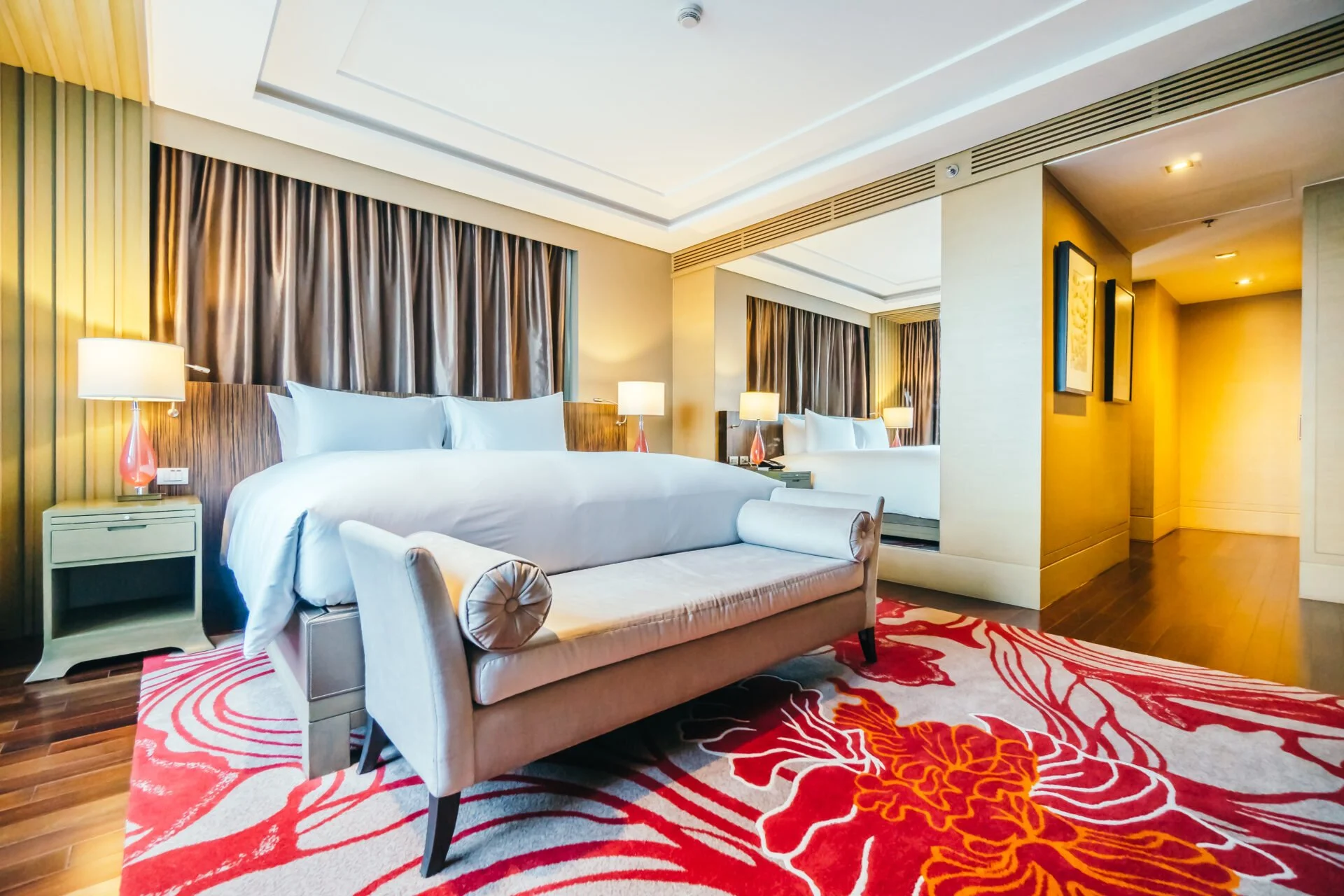
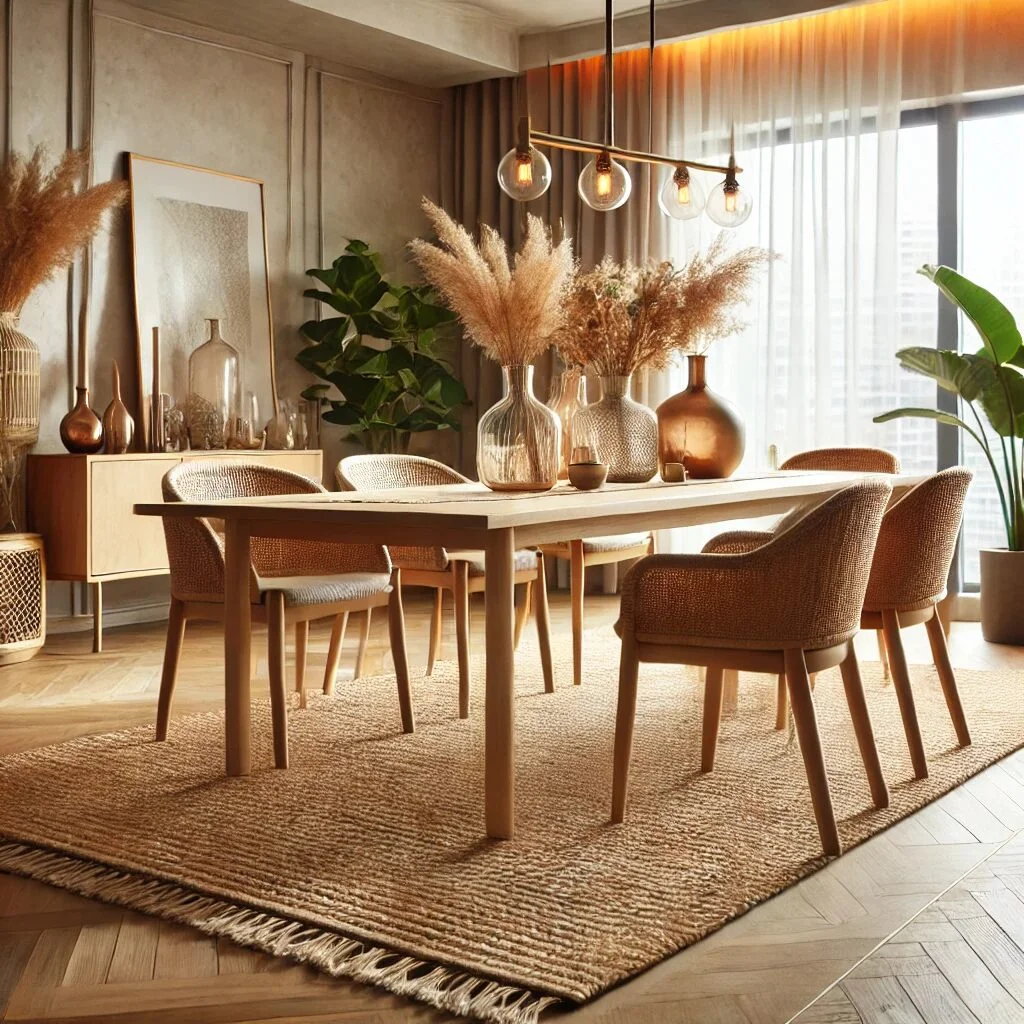
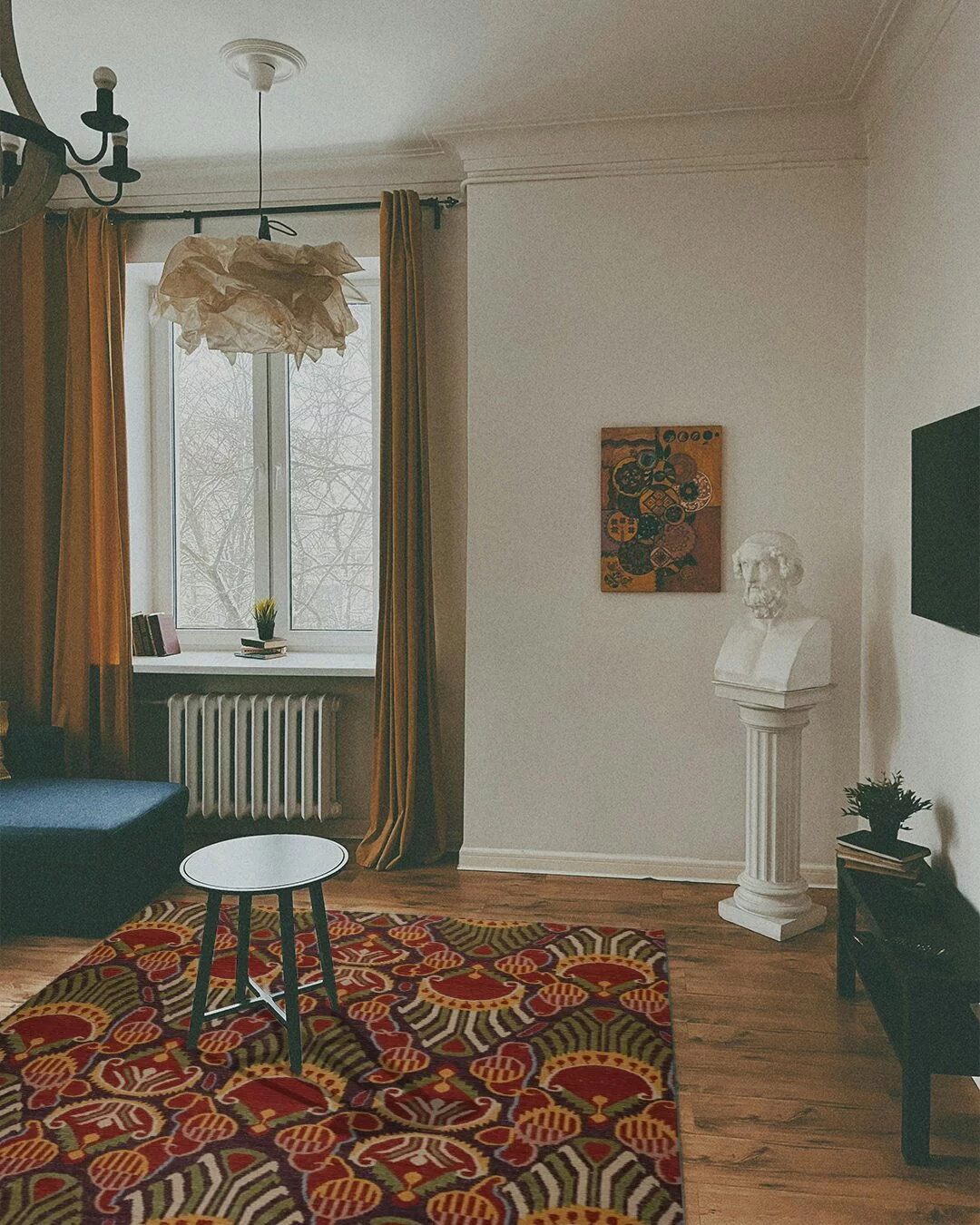
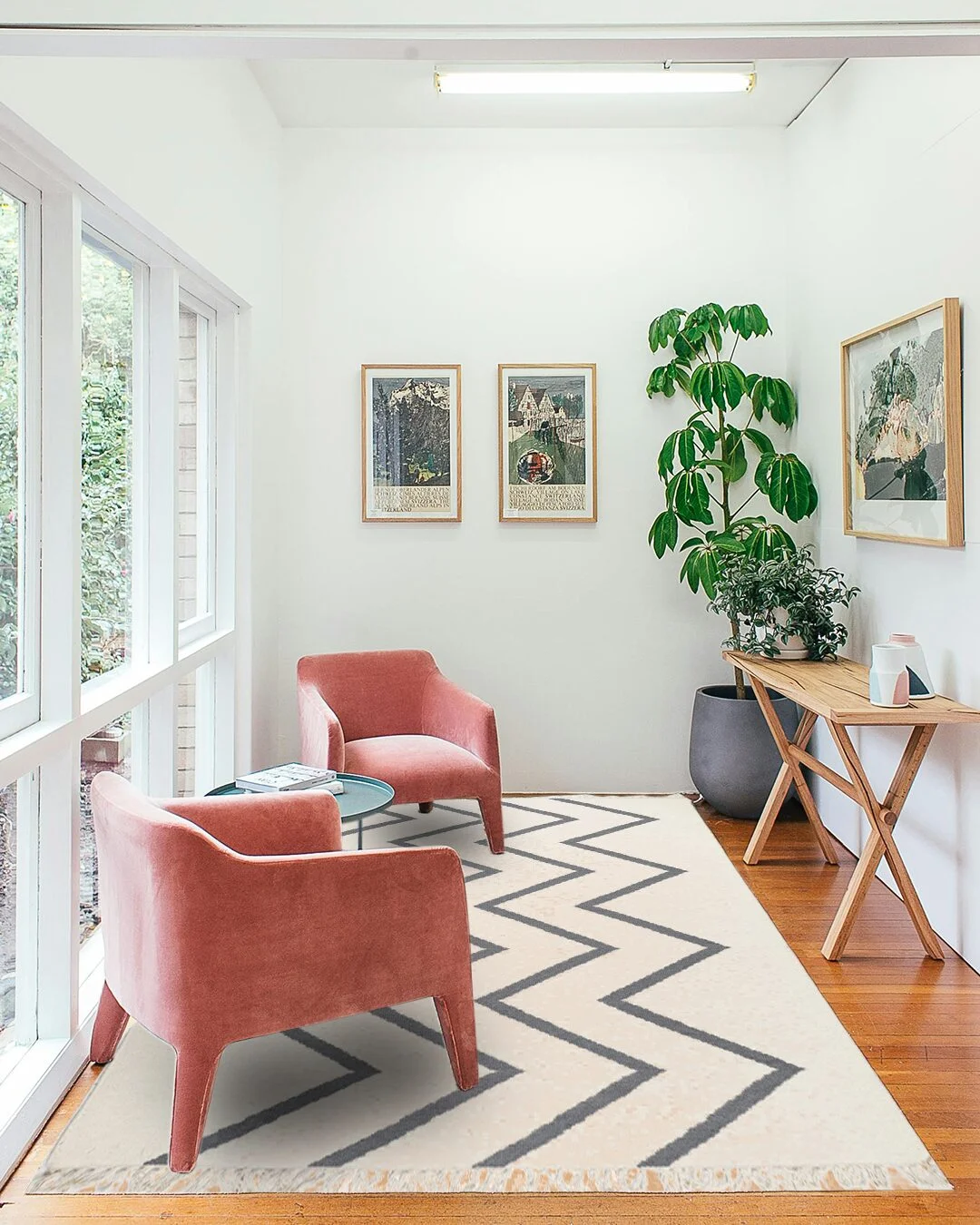
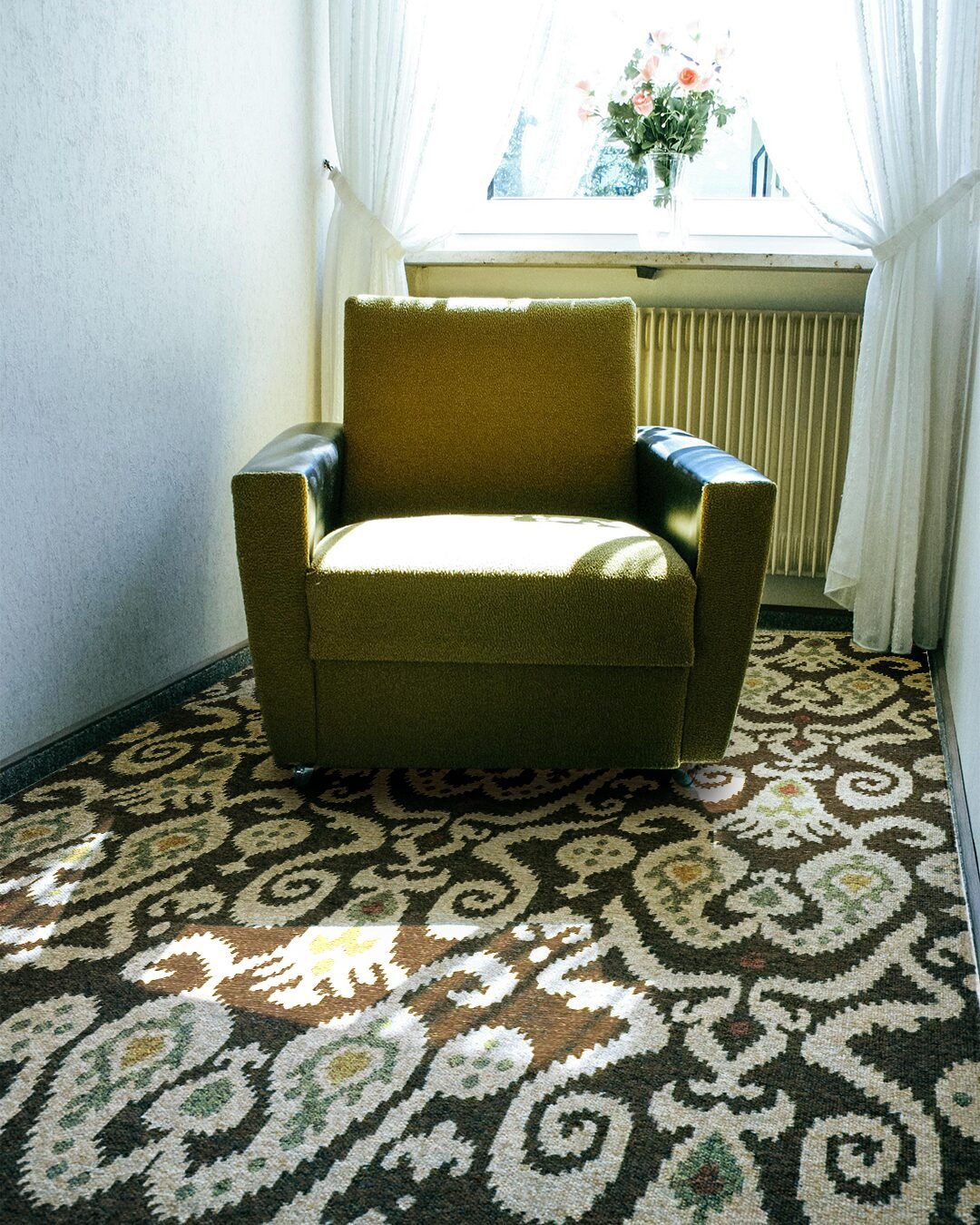
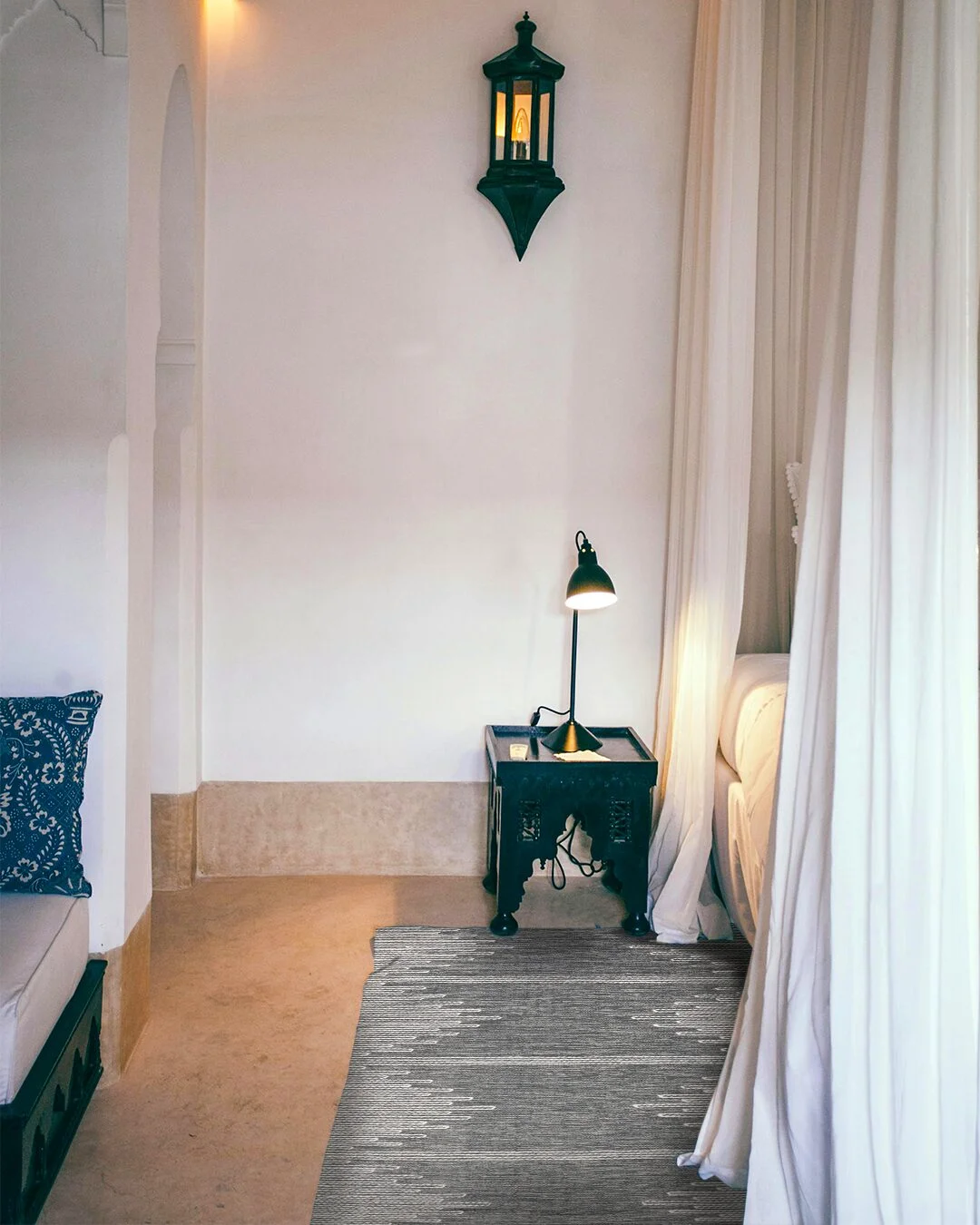
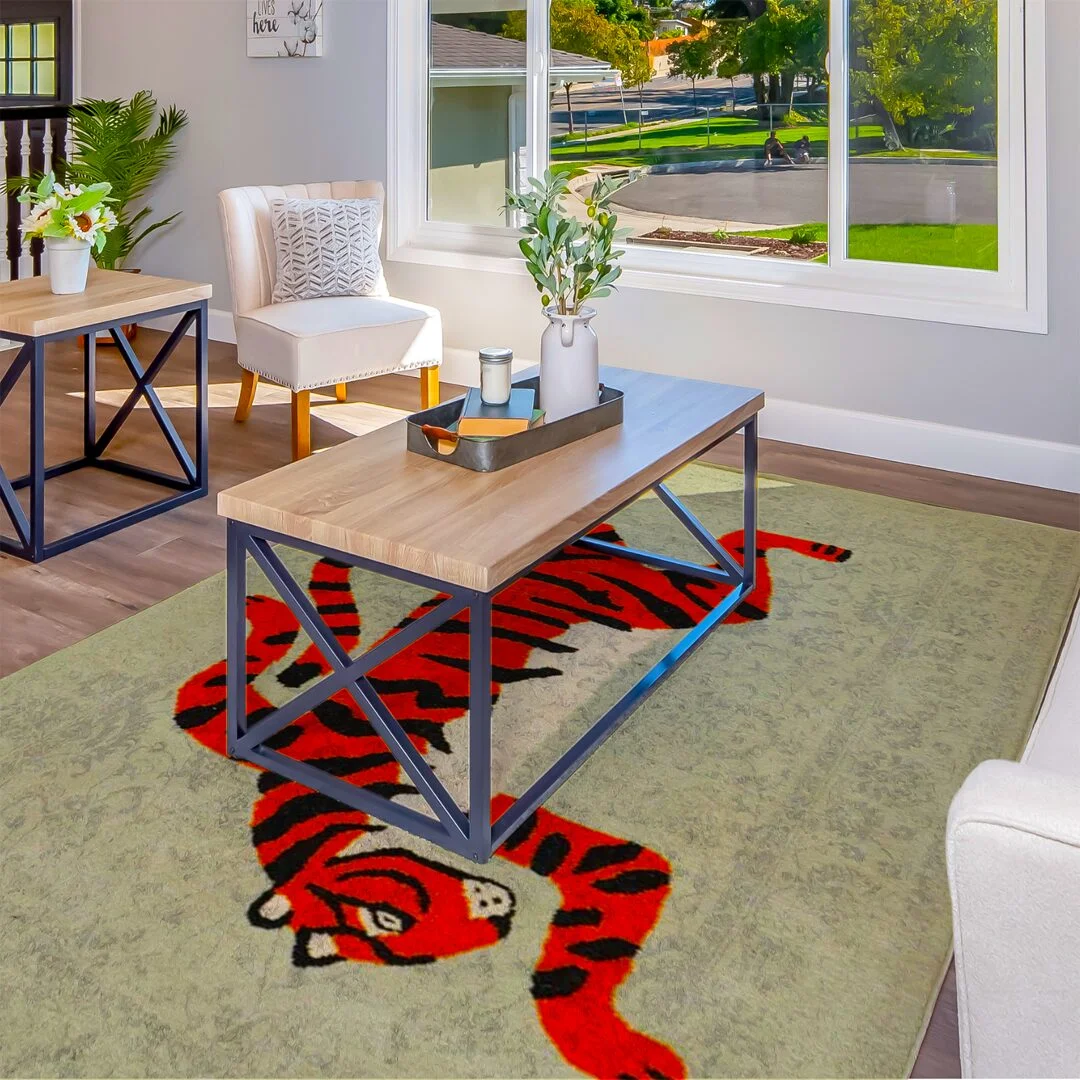
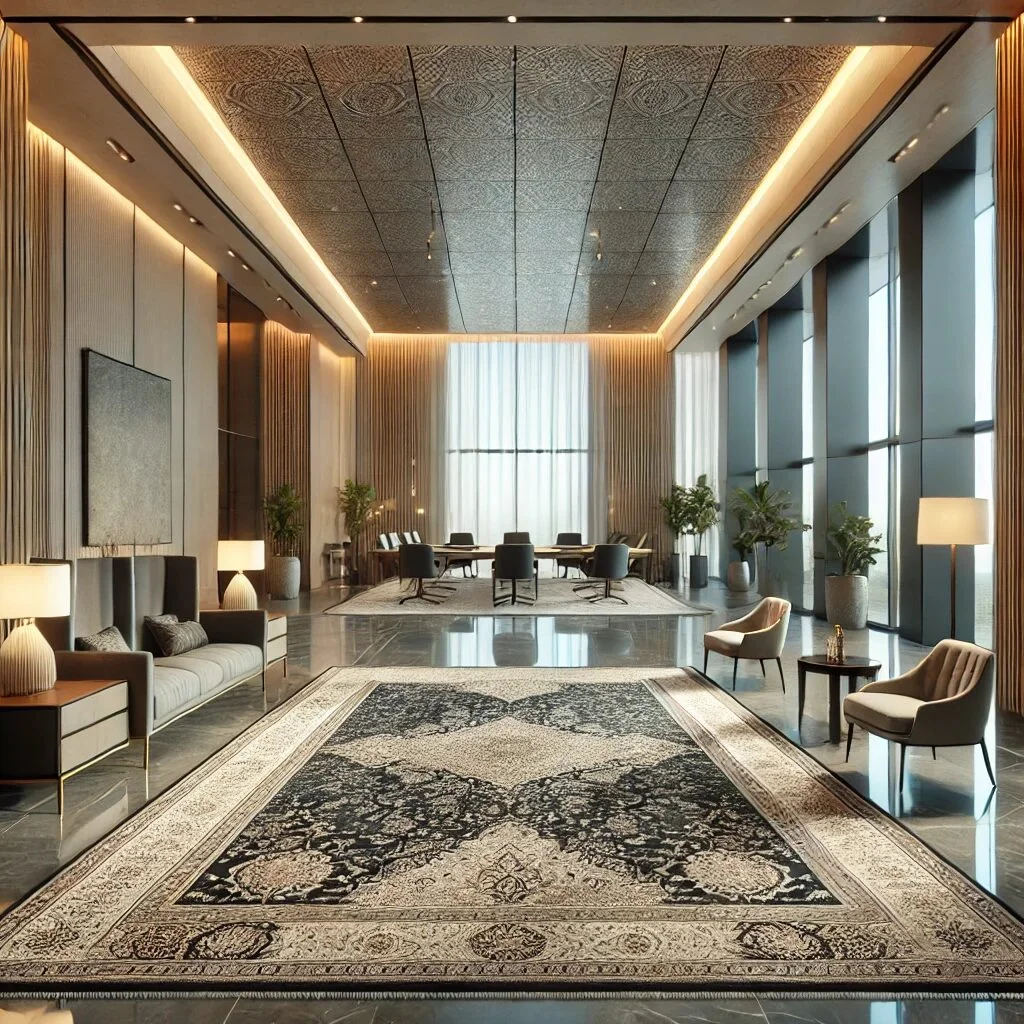
Measure the room and the furniture group the rug will sit under, not just the floor. In a living room, the front legs of the sofa and chairs should rest on the rug. Under a dining table, allow about 60 cm beyond each edge so chairs stay on the rug when pulled out. Beside a bed, aim for at least 45–60 cm of rug on each side.
Material
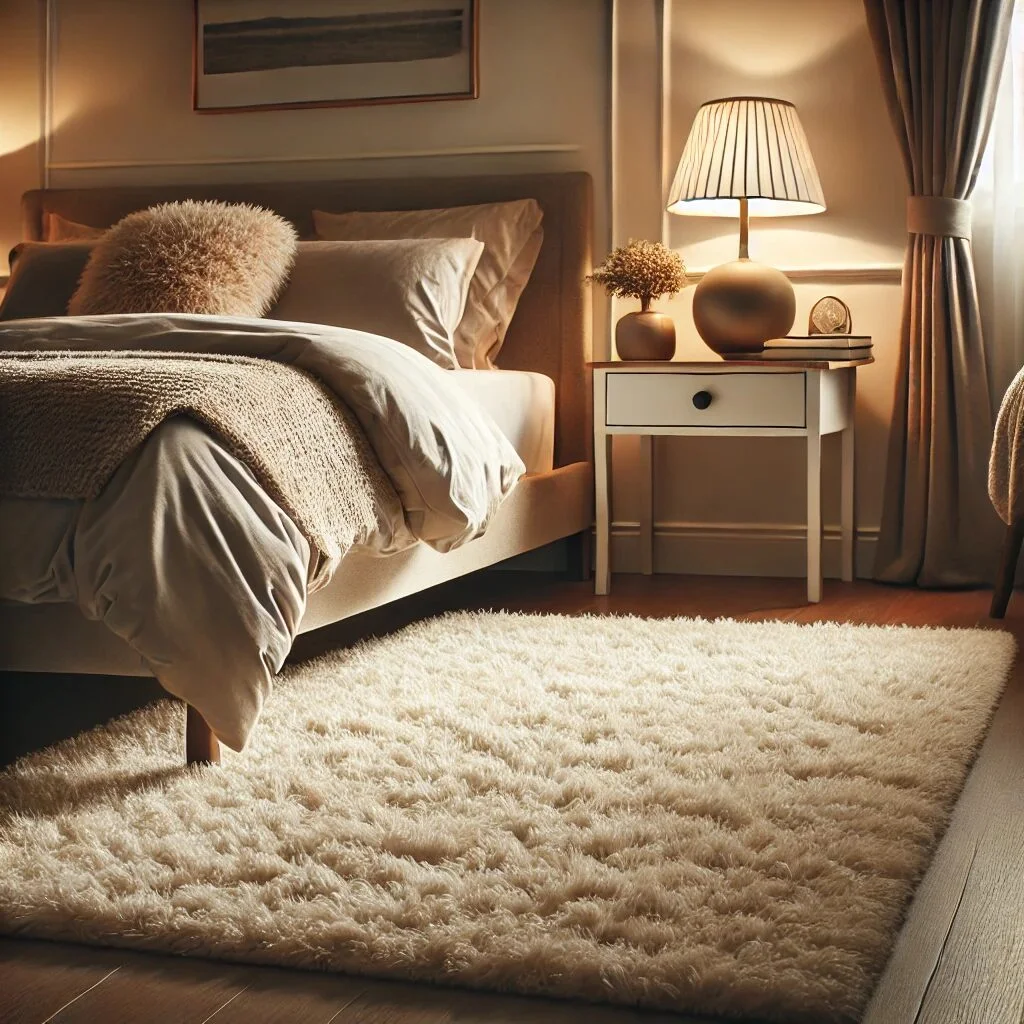
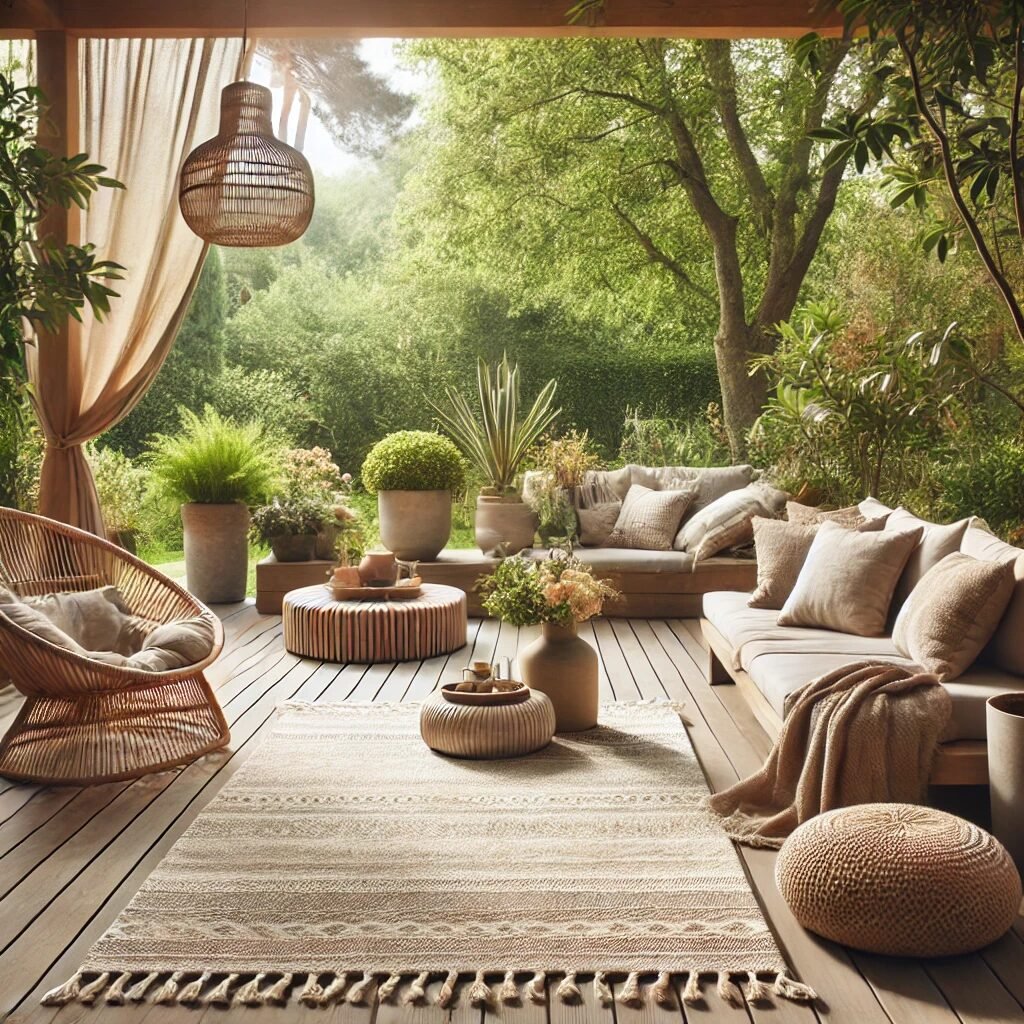
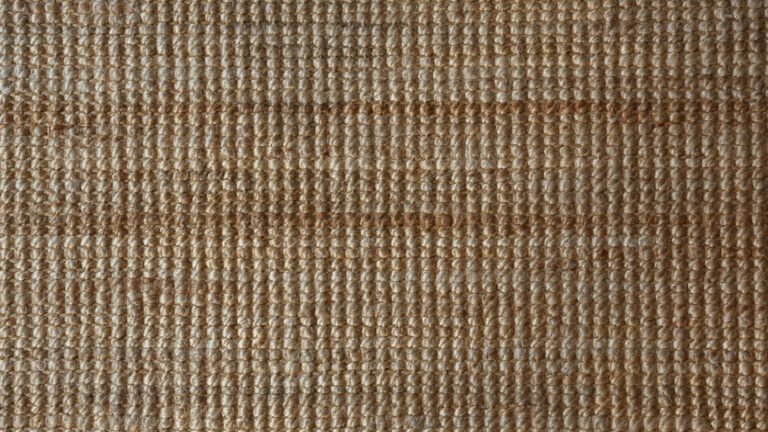
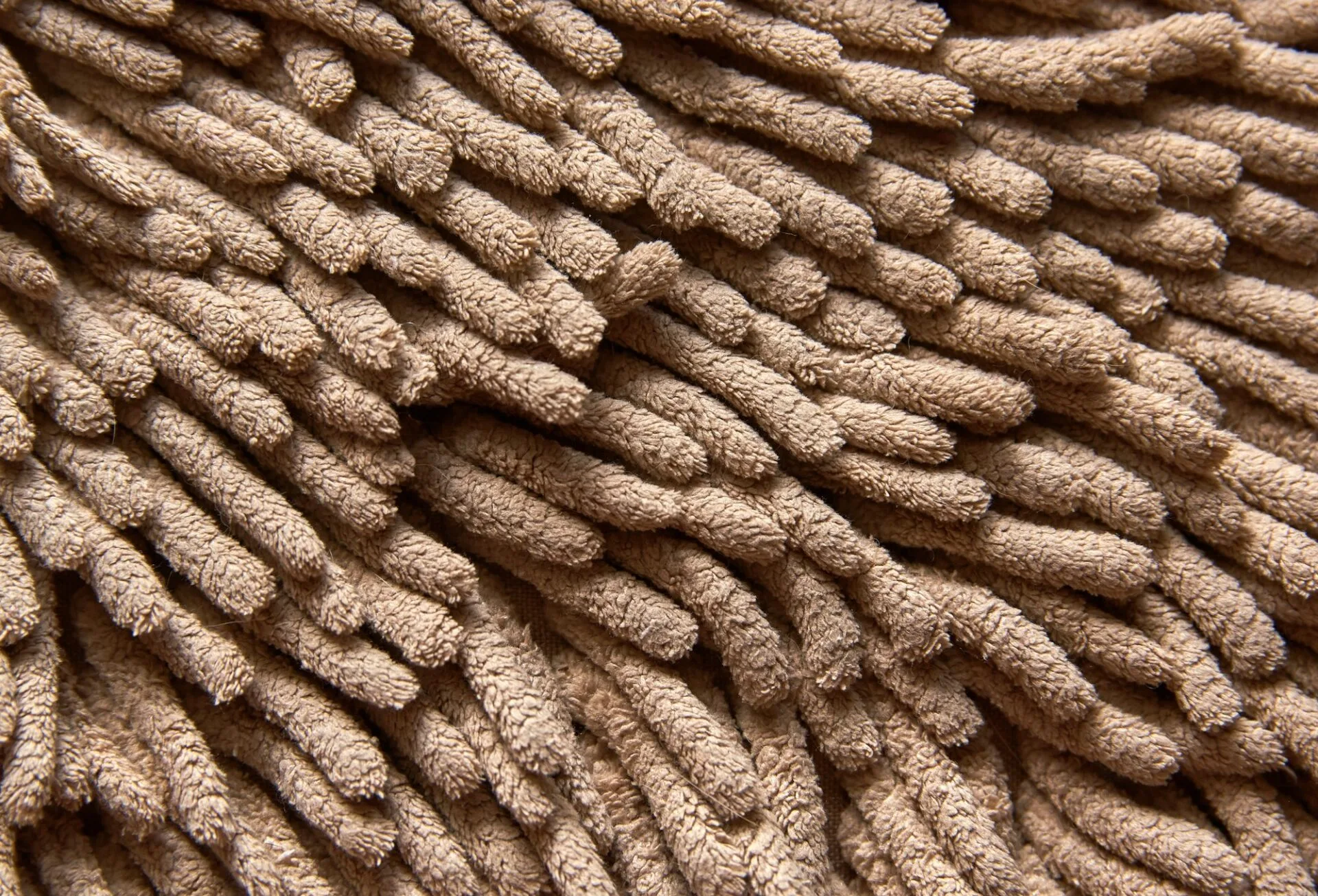
Wool is soft and resilient and suits most living spaces. Cotton is light and often flatwoven, good for casual rooms. Jute adds natural texture but feels coarser underfoot. Polypropylene is the practical choice for covered outdoor areas. Compare materials.
Construction
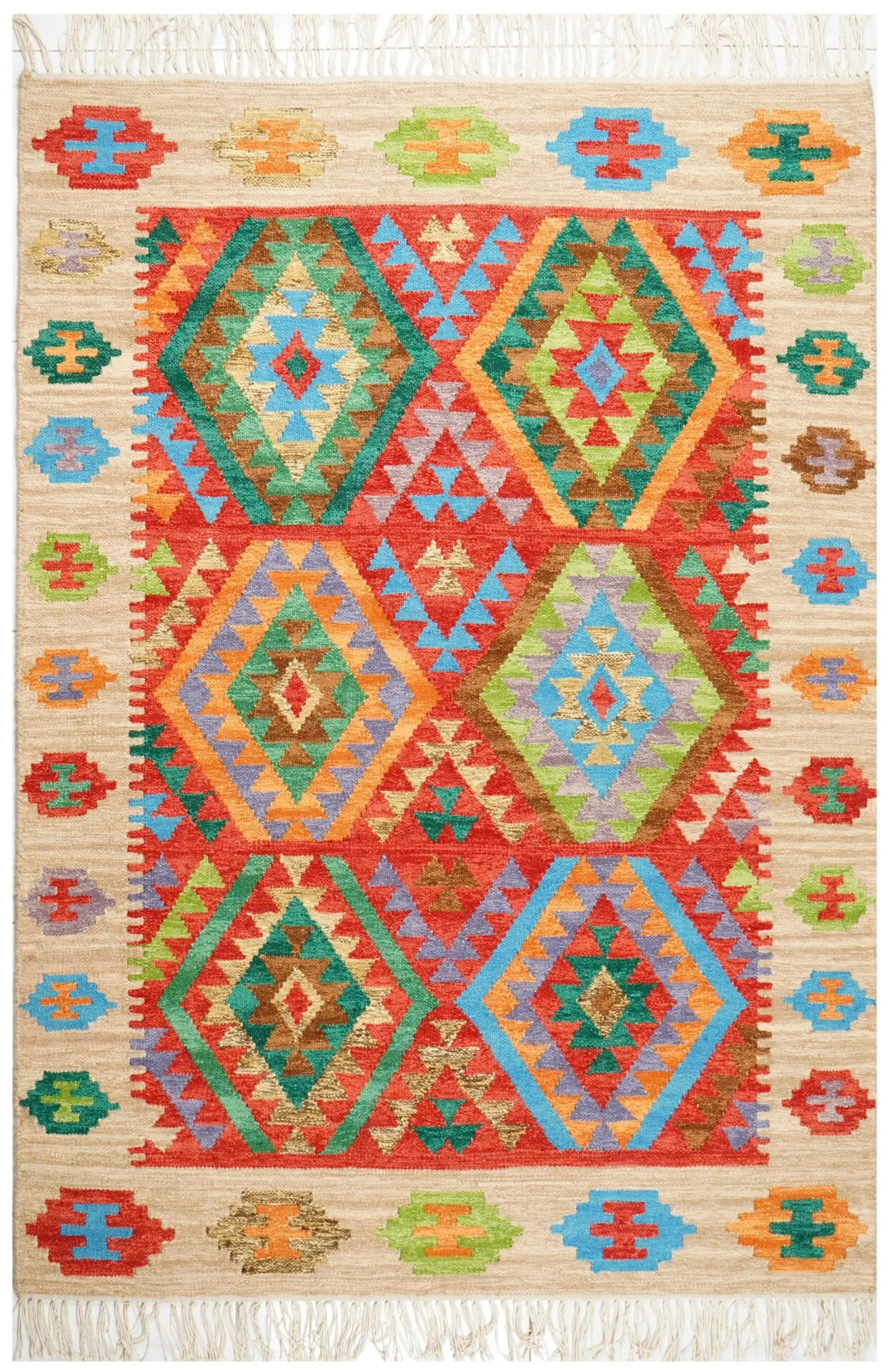
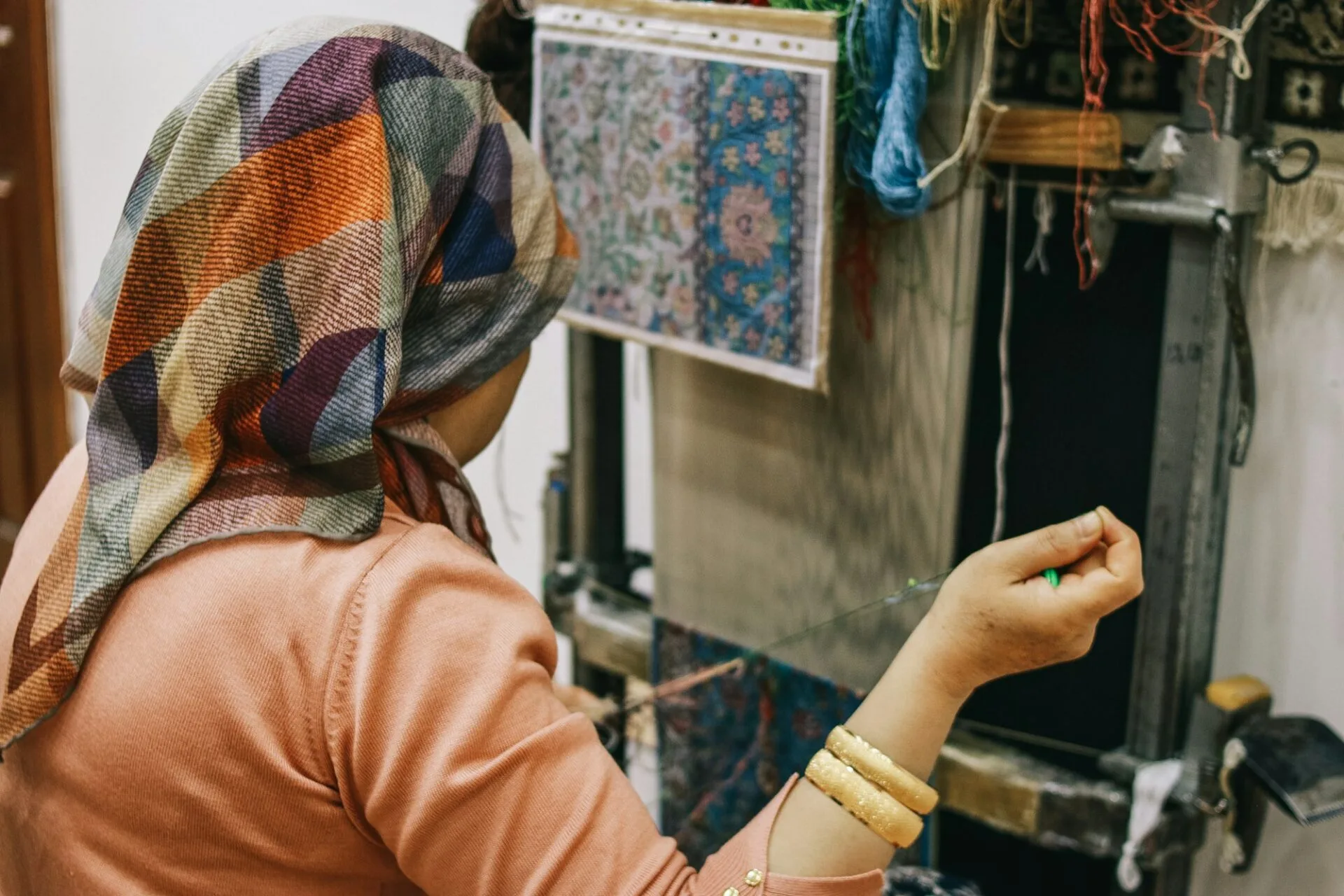
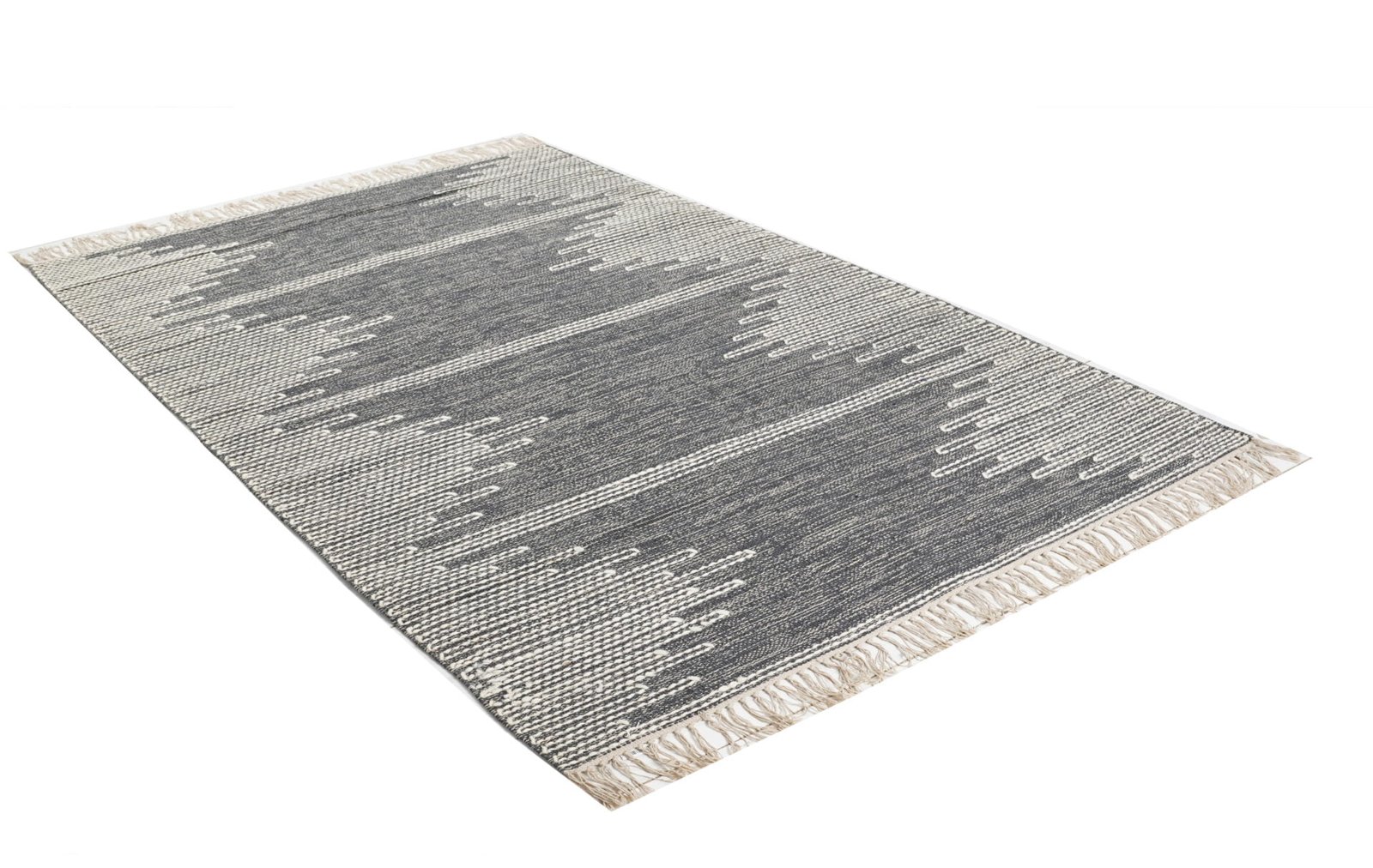
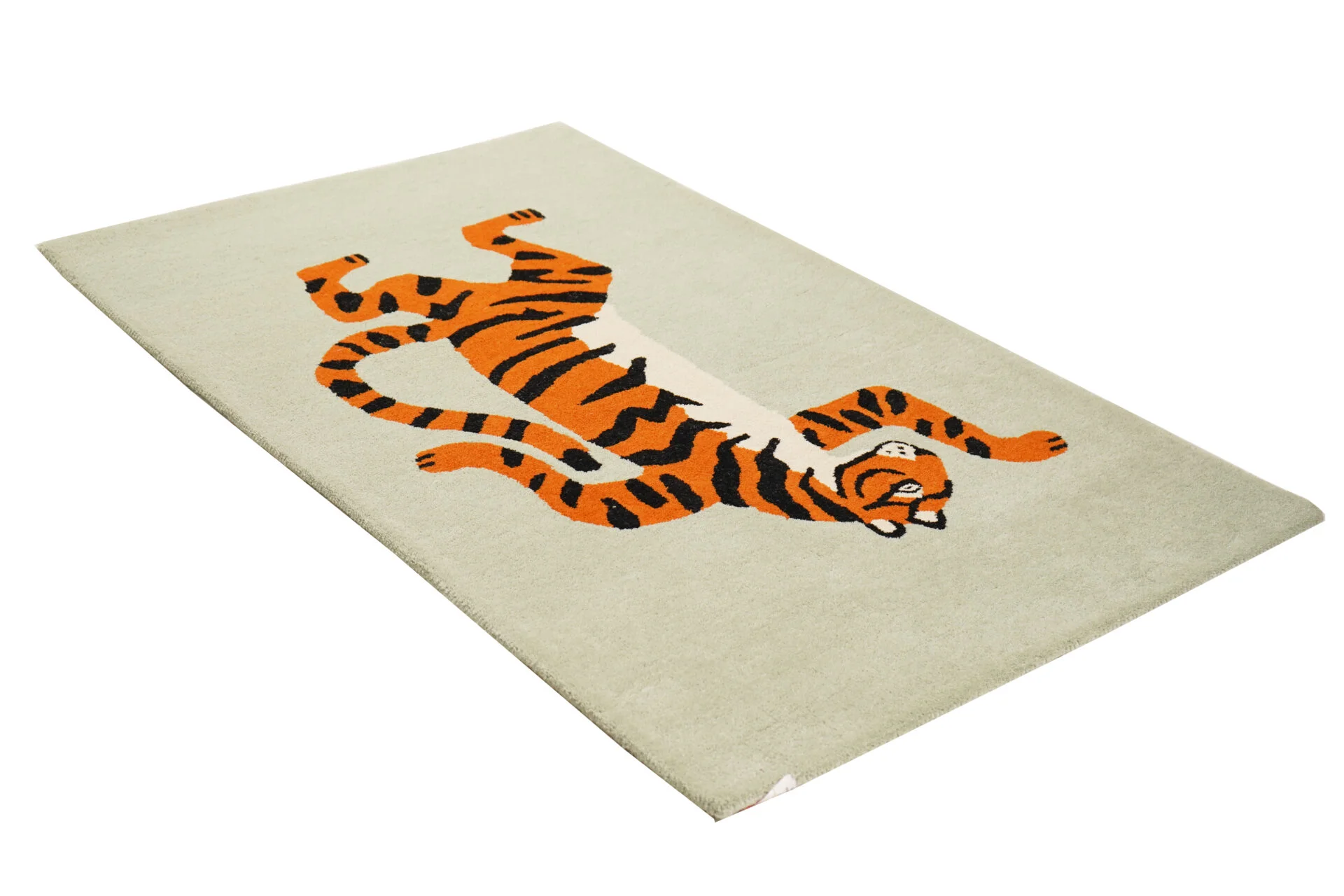
Hand-knotted rugs are knotted one knot at a time and hold the finest detail. Hand-tufted rugs are made with a hand-held tufting tool through a backing cloth and offer plush pile at a lower price. Flatwoven rugs such as kilims and dhurries have no raised pile and are lighter to move.
Style
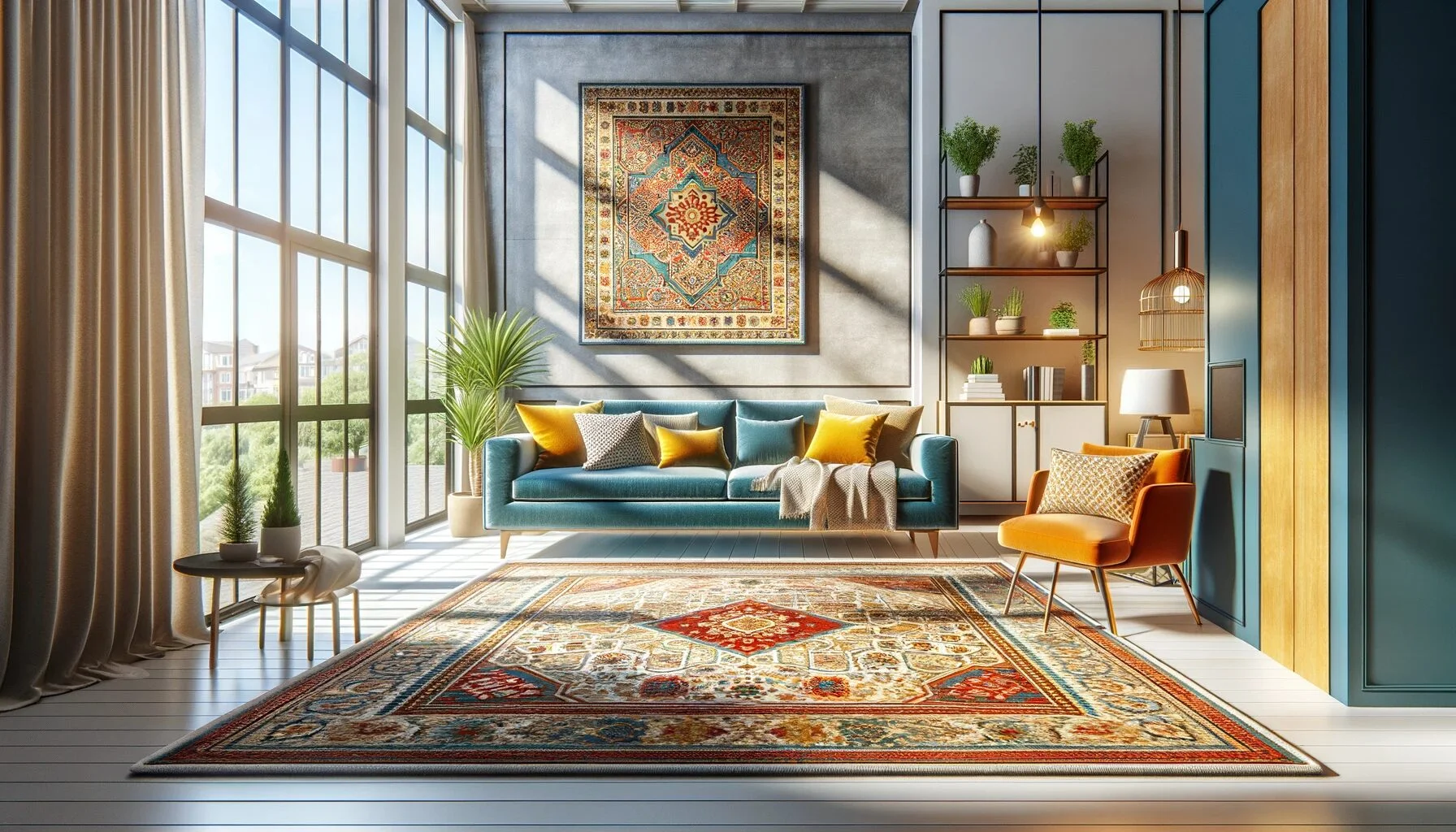
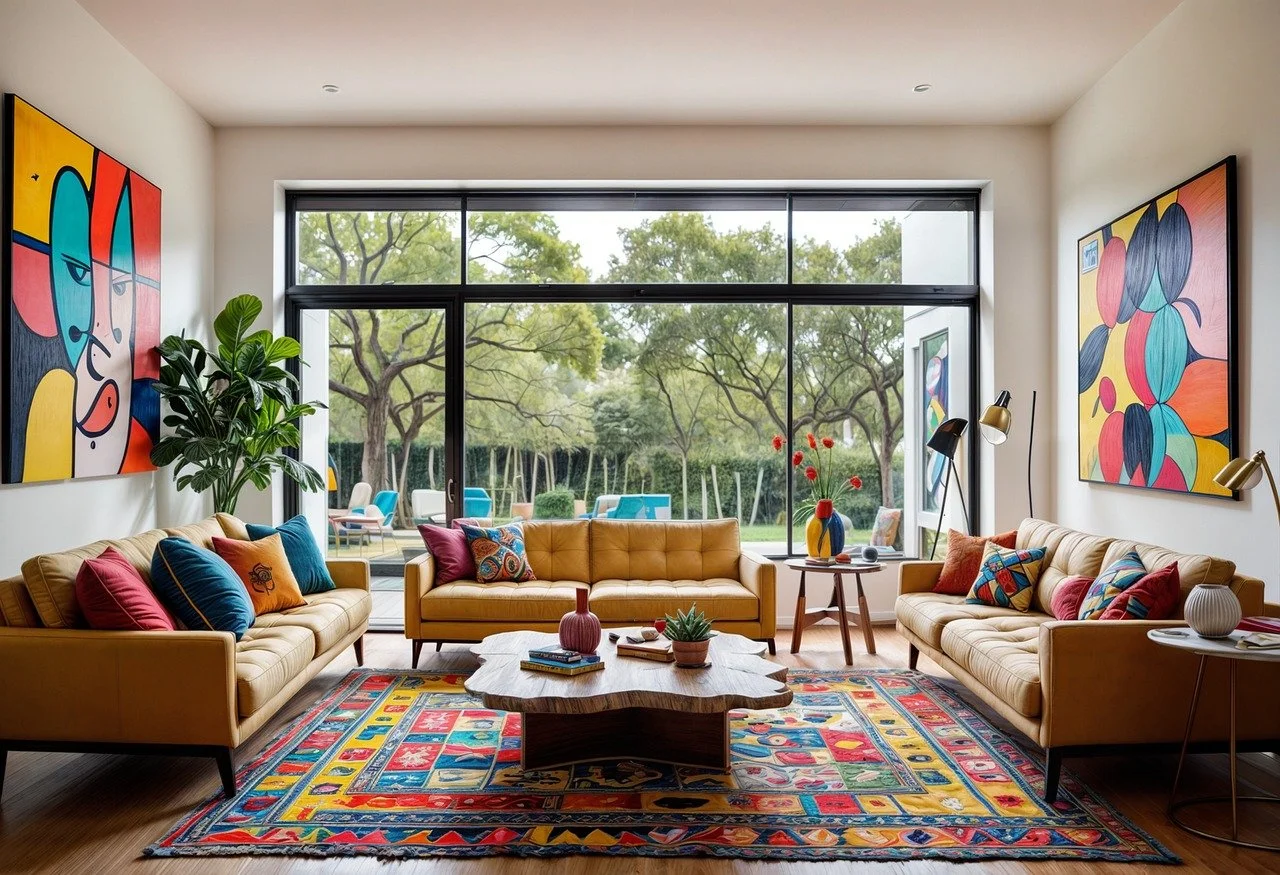
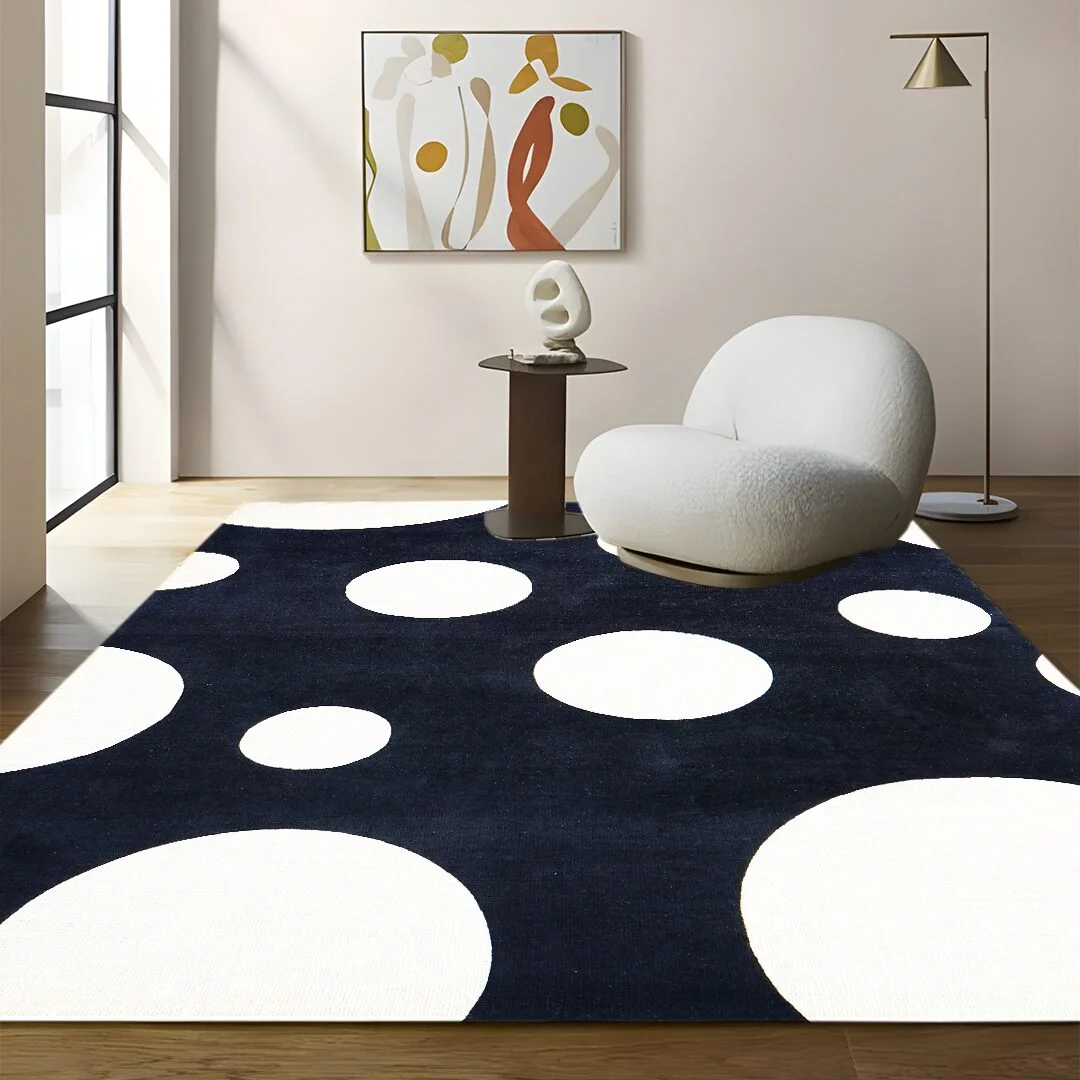
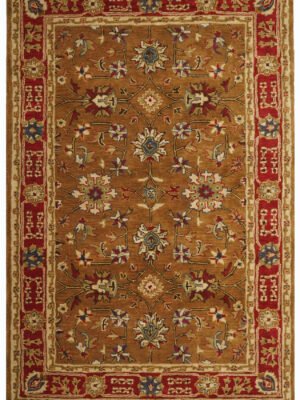
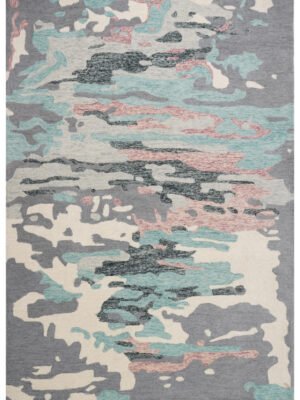
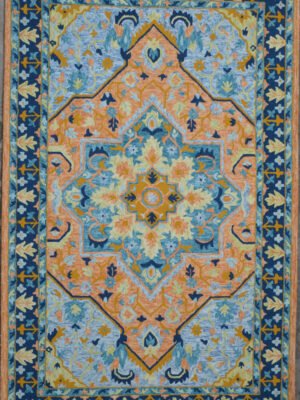
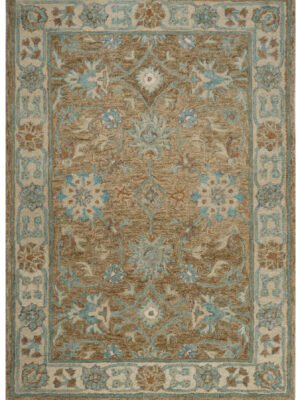
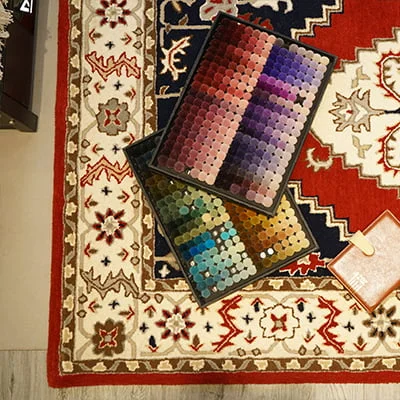
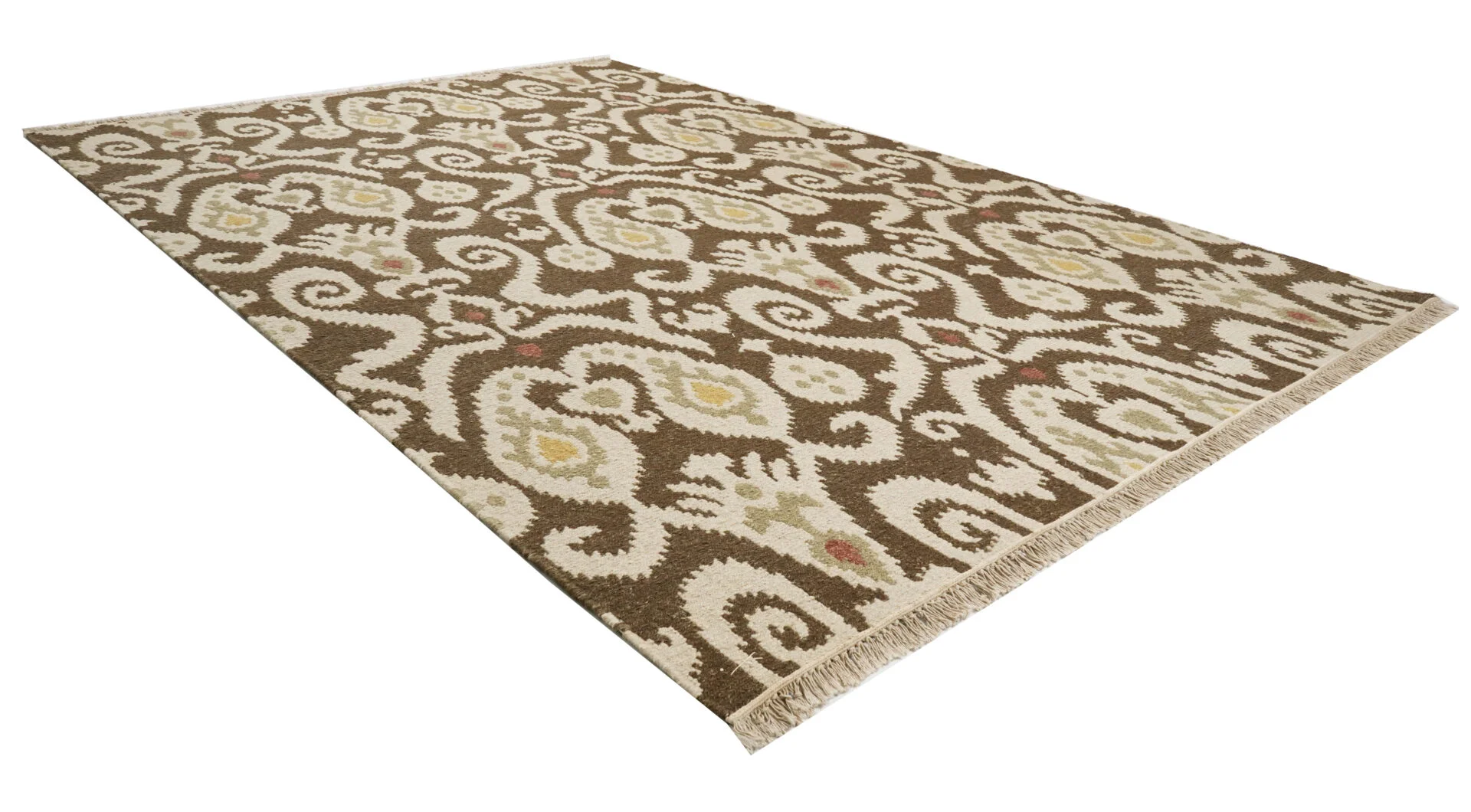
Start with what is already in the room. Contemporary and abstract designs suit clean-lined furniture; traditional and floral patterns add warmth to classic interiors; geometric rugs bridge both. If the room already has strong pattern, a quieter textured rug often works best. Browse modern, traditional, abstract and geometric rugs.
Care
Vacuum regularly without a beater bar, rotate the rug every few months for even wear, and blot spills straight away rather than rubbing. Use a rug pad on smooth floors. For deep cleaning, especially of wool and silk, use a professional rug cleaner. Read our care guide.